Have you been helping or harming the ocean unknowingly? Check this list and see how you fare:
1 Ask for sustainable seafood
Help reduce the demand for overexploited species by choosing seafood that is caught or farmed in a manner that doesn’t deplete the species in the long-term and doesn’t harm the oceans.
2 Cut down on consuming large fishes
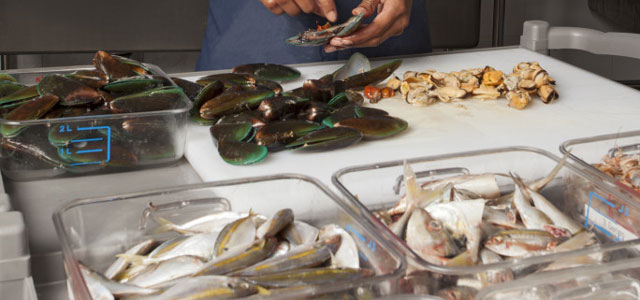
90 per cent of all large predatory fish, including tuna, sharks, swordfish, cod and halibut, are gone. If overfishing continues, world food fisheries could collapse entirely by 2050.
3 Say no to shark fin

Each year, 73 million sharks are killed to feed our demand for sharks fin soup.
4 Steer clear of products linked to unsustainable fishing
Do not buy cosmetics containing squalene which is an oil extracted from shark livers or jewellery made of coral or tortoise shell.
5 Keep beaches clean
As beach crowds increase, so does the amount of trash left behind. Bring a trash bag with you for your garbage and volunteer for beach cleanups.
6 Leave sea wildlife alone
When snorkelling or diving, never touch the reef. Corals and other animals are fragile and easily killed by a grasping hand or careless flipper.
7 Keep the ocean clean
When boating, kayaking, or canoeing, don’t toss any waste over board. Make sure to pay attention to the marine life in the waters around you to avoid causing injury or fatality.
8 Don’t feed marine animals
This can cause the sea creatures to be sick. It is harmful for marine creatures to depend on humans for food.
9 Say no to pesticides
Look for fruits and vegetables that are grown without pesticides. Pesticides contain toxins that can run off into the sea and harm marine life.
10 Don’t use antibacterial soap
Triclosan, a common ingredient in antibacterial soaps, cannot be fully removed by waste-water treatment and is highly toxic to marine life.
11 Choose green detergents and household cleaners
Besides being better for your own health, these products are safer for the environment since what goes down the drain can end up in our oceans.
12 Dispose of chemicals properly
Never pour chemicals, pharmaceuticals, oil or paint into the drain or toilets. Check with the National Environment Agency to properly dispose of or recycle chemicals and keep them out of rivers and oceans.
13 Never release balloons
Marine animals can mistake balloons for food and swallow them accidentally. Pop your balloons after a party and put them in the trash can.
14 Reduce energy use
Carbon dioxide from burning fossil fuels is making our oceans more acidic. Be green by using high efficiency appliances in your home and turn off appliances when they aren’t in use.
15 Use fewer plastic products
Carry a reusable water bottle, store food in nondisposable containers, bring your own cloth tote or other reusable bag when shopping and recycle whenever possible.
16 Conserve water whenever possible
There are many ways to save water around the house. You can turn off your faucet while brushing your teeth or scrubbing dishes, sweep your driveway instead of using the hose, recycle waste water, use low-flow shower heads and toilets, and use pool covers.
17 On the sand
When walking on sand dunes, be careful of any grasses and plants growing there. Living plants help hold sand in place. Dead plants and seaweed provide fertilizer. Both should be left alone.
18 Use reef-safe sunscreen
When swimming in the ocean, your sunscreen can wash off into coral reef environment. Choose sunscreen that does not contain chemicals damaging to coral reef or choose biodegradble sunscreen that will break down in the environment.
19 Do not return fish from an aquarium to the wild
Not all marine life belongs in the same part of the ocean. Sometimes setting a sea animal free in a part of the ocean other than its native marine environment can majorly disrupt the balance.
20 Take action
Besides following the previous tips, encourage others to respect the marine environment and participate in local beach cleanups.
Celebrate World Oceans Day
This June, the S.E.A. Aquarium has lined up exciting marine conservation themed activities to inspire and educate both the young and old on how we can do our part to protect the ocean:
- Roving magic show
- Eco music: music created from instruments made of recycled household wares
- Silhouette puppet show: gigantic puppets played out on the huge viewing panel at the Open Ocean Habitat
- Interactive Fun Learning passport: free for all kids to learn about marine life
- Ocean Dreams – The Blue Edition: the fun and educational sleepover takes on a conservation theme.
3 get 1 free S.E.A. Aquarium One-Day Pass
Book online with your MasterCard from 21 May to 31 July 2014 and you’ll get 1 free Adult Day Pass with every 3 purchased.
For more savings and promotions, visit our website.
Join us at S.E.A. Aquarium this June to discover more about marine conservation.